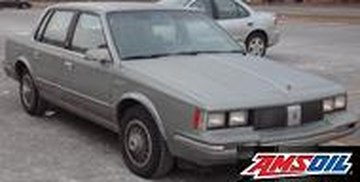
Maintaining Lubrication Integrity for the 1982 Oldsmobile CUTLASS 4.3L
Proper engine maintenance is a cornerstone of long-term vehicle health, particularly when managing an engine that has been in operation for several decades. For the 1982 Oldsmobile CUTLASS equipped with a 4.3L engine, consistent attention to lubrication and fluid integrity ensures that mechanical components continue to operate as intended. While modern vehicles often feature automated monitoring systems, older engines require more proactive, manual oversight from the owner to identify potential issues before they escalate.
Monitoring Fluid Condition and Potential Leaks
One of the most effective ways to monitor the health of a 4.3L engine is through regular visual inspections of the lubrication system. Over time, various seals and gaskets may undergo changes in their physical properties due to heat cycles and age. It is useful to inspect the area around the engine for any signs of fluid seepage or active leakage. Finding evidence of oil on the exterior of the engine block or near sealing surfaces can be an early indicator that a component requires attention.
When performing these inspections, look for:
- Dampness or staining on the underside of the engine components.
- Accumulated residue around various connection points and covers.
- Puddles or spots on the ground beneath where the vehicle is parked.
If you notice a change in the amount of oil required to reach the proper level, this warrants further investigation. Changes in lubricant consumption can be associated with several different factors, ranging from minor seepage to more significant internal changes. Rather than attempting to diagnose a specific cause immediately, observing these patterns over time can help establish whether a leak is active or merely a slow seepage.
Observing Operational Warning Signs
Beyond visual inspections of the engine exterior, paying attention to how the vehicle behaves during operation provides critical information. Mechanical systems often provide subtle cues when lubrication levels or qualities are not optimal. For instance, if you notice unusual mechanical noises that were not previously present, it may indicate that the lubrication is not performing effectively under certain conditions.
It is also important to monitor for any changes in exhaust characteristics. While many factors can influence exhaust appearance, certain observations might suggest that oil is entering a part of the combustion process. Similarly, if you notice an unusual odor during or after driving, it could indicate that lubricant is contacting a hot surface. Because these symptoms can have multiple underlying causes, they should be treated as prompts for a thorough inspection rather than definitive proof of a single component failure.
If any warning indicators appear on the dashboard related to engine operation, these require immediate investigation. Maintaining a consistent eye on both the physical state of the fluids and the sensory feedback from the vehicle is essential for preventing unexpected downtime.
Prioritizing Maintenance Based on Current Condition
For an owner of a 1982 Oldsmobile CUTLASS, effective maintenance is often about distinguishing between necessary repairs and routine preventive care. Rather than following a rigid schedule based solely on the age of the vehicle, it is more practical to prioritize tasks based on the actual condition of the engine and its components.
If you are stepping into ownership without a complete service history, your first priority should be establishing a maintenance baseline. This involves performing a comprehensive check of all fluids, inspecting the condition of accessible belts (if equipped), and verifying the integrity of hoses. Once you have documented the current state of the vehicle, you can make informed decisions about what needs to be addressed immediately and what can be monitored through regular service intervals.
Reviewing any available repair records is also highly beneficial. Knowing when components were last serviced or replaced allows you to anticipate future needs. For example, if a specific seal was replaced recently, you can focus your inspection efforts on other areas that may be showing signs of age-related wear. This condition-based approach ensures that maintenance efforts are directed where they will provide the most benefit to the 4.3L engine.
The Role of Lubrication in Engine Longevity
Engine oil performs several vital roles that go beyond simple lubrication. It acts as a medium for heat management, helping to carry thermal energy away from high-friction areas within the engine. Furthermore, it serves as a cleaning agent, helping to suspend particles and prevent them from settling into deposits or sludge. Maintaining the cleanliness and chemical stability of this fluid is essential for protecting the internal components of the 1982 Oldsmobile CUTLASS.
As oil ages, its ability to resist oxidation and manage contaminants can diminish. This is why regular changes are necessary; fresh lubricant ensures that the additives designed to control deposits and protect against wear remain at effective concentrations. For engines with higher mileage, some owners may consider formulations specifically designed for aging engines, which include seal-conditioning additives intended to help maintain the integrity of various gaskets and seals.
Effective Record Keeping for Long-Term Ownership
Maintaining a detailed log of all service performed on the 4.3L engine is one of the most valuable tools an owner can possess. A well-kept record provides a clear history of oil changes, filter replacements, and any mechanical repairs. This documentation is particularly useful when:
- Identifying patterns in fluid consumption or leakage.
- Determining if a specific component is nearing the end of its service life.
- Providing evidence of consistent maintenance to future owners or technicians.
By keeping track of exactly what products were used and when they were applied, you remove the guesswork from routine service. This level of organization helps in transitioning from reactive repairs to a more controlled, preventive maintenance strategy.
Practical Guidance for Buying Engine Oil for your 1982 Oldsmobile CUTLASS 4.3L
When it is time to replenish your engine's lubricant, the most important step is to ensure the product matches the specific requirements of your application. To select the correct oil, match the engine oil to the application-specific viscosity information already displayed on this webpage.
Before making a purchase, always check the product labeling to verify that the oil meets the appropriate API service classifications. While you may encounter various options such as conventional, synthetic blends, or full synthetic oils, your primary focus should be on adhering to the viscosity and specification details provided in the application information above. If you are managing an engine with significant mileage, you might also look for high-mileage formulations that contain additives intended for use in aging engines, but always prioritize the viscosity requirements listed for this specific 1982 Oldsmobile CUTLASS 4.3L.